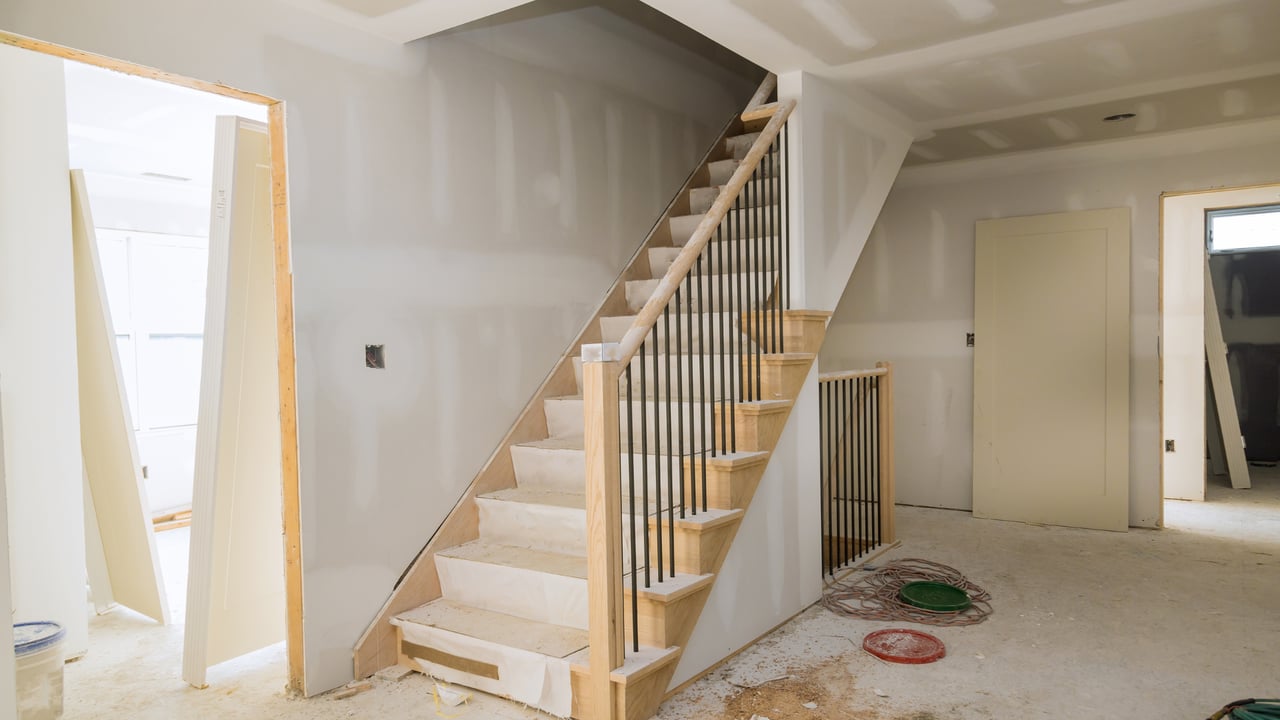
Fixer-uppers are getting more attention than ever.
Searches for homes in need of some TLC have
tripled since 2021. And these homes now receive over 50% more online views than similar listings.
Lower price tags and the chance to customize a property both have strong appeal. But fixer-uppers also come with risks that can turn dreams into costly mistakes.
If you’re thinking about buying a fixer-upper in Southern Maine, here’s what the data says, along with the pros, cons, and pitfalls to avoid.
The State of Fixer-Uppers in Today’s MarketNationally, fixer-uppers come with a median price of $200,000. That’s a steep
54% discount compared to the $436,250 median for single-family homes.
In July 2025, 79,175 fixer-uppers were listed across the country, up nearly 19% from 2021. But even with more listings on the market, fixer-uppers make up a smaller share of total inventory: just 5.2% today versus 6.1% four years ago.
The typical fixer-upper was built in 1958, offers 1,628 square feet of living space, and has three bedrooms and two bathrooms. They also take slightly longer to sell, averaging 53 days on the market compared to 50.5 days for other homes.
The Pros of Buying a Fixer-UpperLower CostsThe biggest draw of a fixer-upper is price. Because these homes are (typically) listed lower than move-in-ready properties, buyers benefit from a smaller down payment and more affordable monthly mortgage.
CustomizationFixer-uppers also allow for customization. Whether it’s opening up the kitchen, adding a deck, or updating finishes, buyers can shape the property into the home they’ve always wanted.
Less CompetitionEven as “fixer-upper” searches have increased, the majority of buyers still prefer a move-in-ready option. That means buyers can face less competition and more negotiating power when it comes to fixer-uppers.
Equity PotentialWell-planned renovations can boost a home’s value and build equity faster. Even small upgrades, like refinished floors or a refreshed bathroom, can deliver a strong return over time. For buyers willing to put in some sweat equity, the payoff can be even greater.
Along with that comes quality and creative control: choosing the contractors, materials, and colors that align with personal preferences.
The Cons of Buying a Fixer-UpperHidden CostsThe biggest downside is the hidden costs. Renovations often run higher than expected, and budgeting accurately can be almost impossible. Experts recommend setting aside 10%–20% of your total budget for surprise expenses.
From outdated wiring to hidden water damage, issues often go beyond what’s visible during a walk-through, hence the reason to
never forgo the inspection. It’s one thing to have to repaint the walls. It’s another to be told the plumbing situation costs more to fix than you budgeted for.
Time and DisruptionBuyers also need to prepare for disruption. Renovations take time, and permits and zoning restrictions can slow projects down. Unless you plan to live elsewhere, you may find yourself living in a construction zone.
Resale RisksNot all renovations add value. Over-improving a property beyond what the neighborhood supports can make it harder to resell. A luxury kitchen in a modest community, for example, may not deliver the return you expect.
Key Factors to Evaluate Before BuyingSince not every fixer-upper is worth the investment, buyers should weigh four key factors:
These are pitfalls you can easily sidestep if you’re working with a pro who understands the fixer-upper market better than anyone else in your area.
Key Takeaways for Southern Maine
Fixer-uppers can provide an affordable path into homeownership, but they require careful planning. That includes:
In Southern Maine, fixer-uppers can be either a stepping stone to your dream home or a costly misstep. The outcome depends on preparation, patience, and making sure you are buying with both your heart and your head.